IEEE STRATUS 2026
Attended the 2026 IEEE Systems and Technologies for Remote Sensing Applications Through Unmanned Aerial Systems (STRATUS) conference, which brings together academics, industry professionals, and specialists working on unmanned aerial systems (UAS) and their applications in remote sensing and Earth imaging.
The conference highlighted recent advances in drone-based platforms and sensors that have become increasingly accessible through lower costs and improved usability, with sessions spanning data acquisition, processing, and analysis for environmental and geospatial applications.
NASA Earth Sciences & UW Hackweek 2024
Participated in the ICESat-2 track of the NASA Earth Sciences & University of Washington Hackweek 2024. This intensive week-long event combined tutorials, peer-to-peer learning, and project-based teamwork focused on NASA ICESat-2 and SnowEx mission data.
Project: Worked on identifying grounding lines of Greenland glaciers using ICESat-2 satellite altimetry data. The grounding line is a critical boundary where glaciers transition from grounded ice to floating ice, and accurate mapping is essential for understanding ice sheet dynamics and sea level rise contributions.
The project involved processing ICESat-2 ATL11 data products, developing algorithms to detect the grounding line position, and visualizing results for Greenland's outlet glaciers. This work contributes to improving our understanding of ice-ocean interactions and glacial stability.
Citizen Continental-America Telescope Eclipse (CATE 2024)
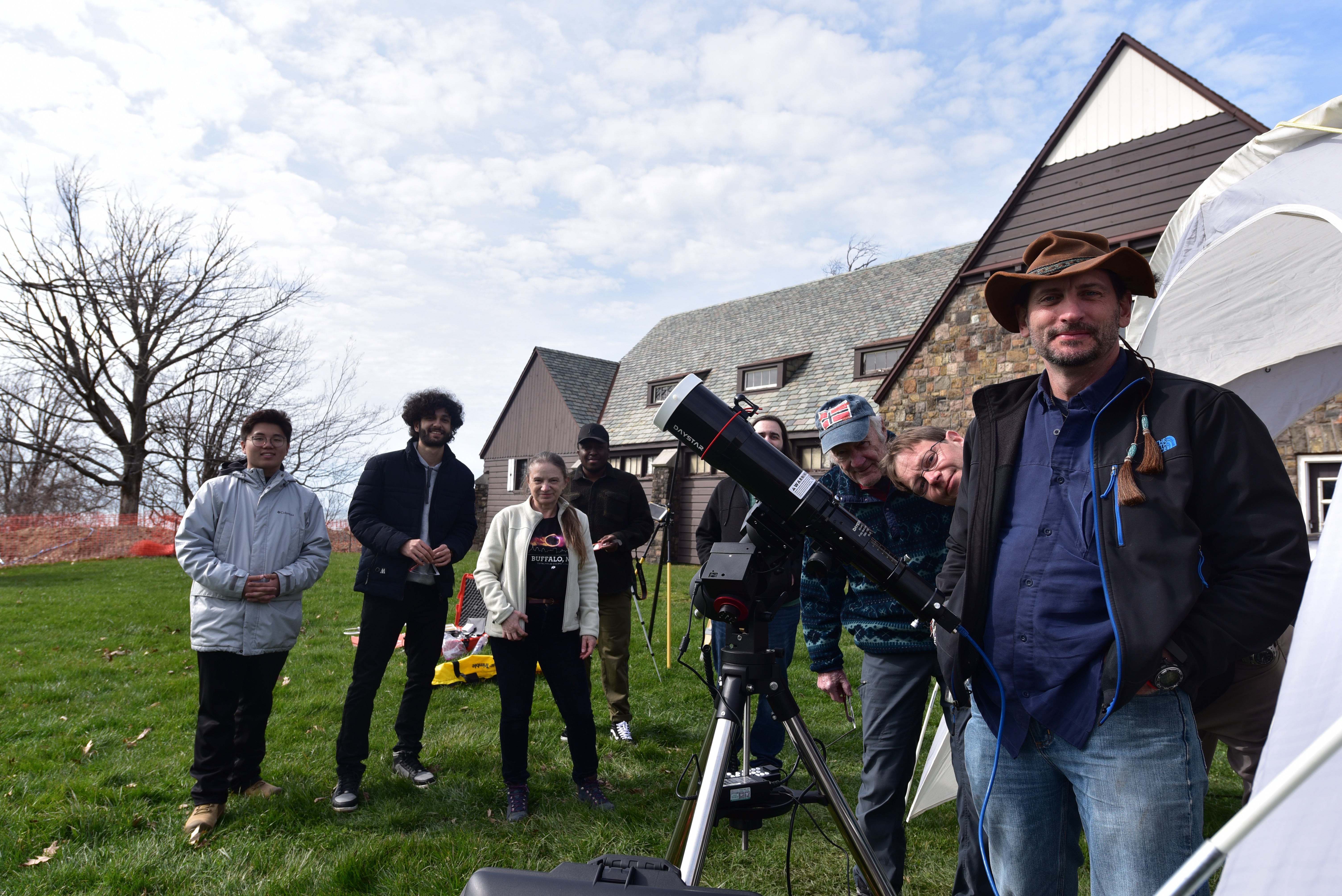
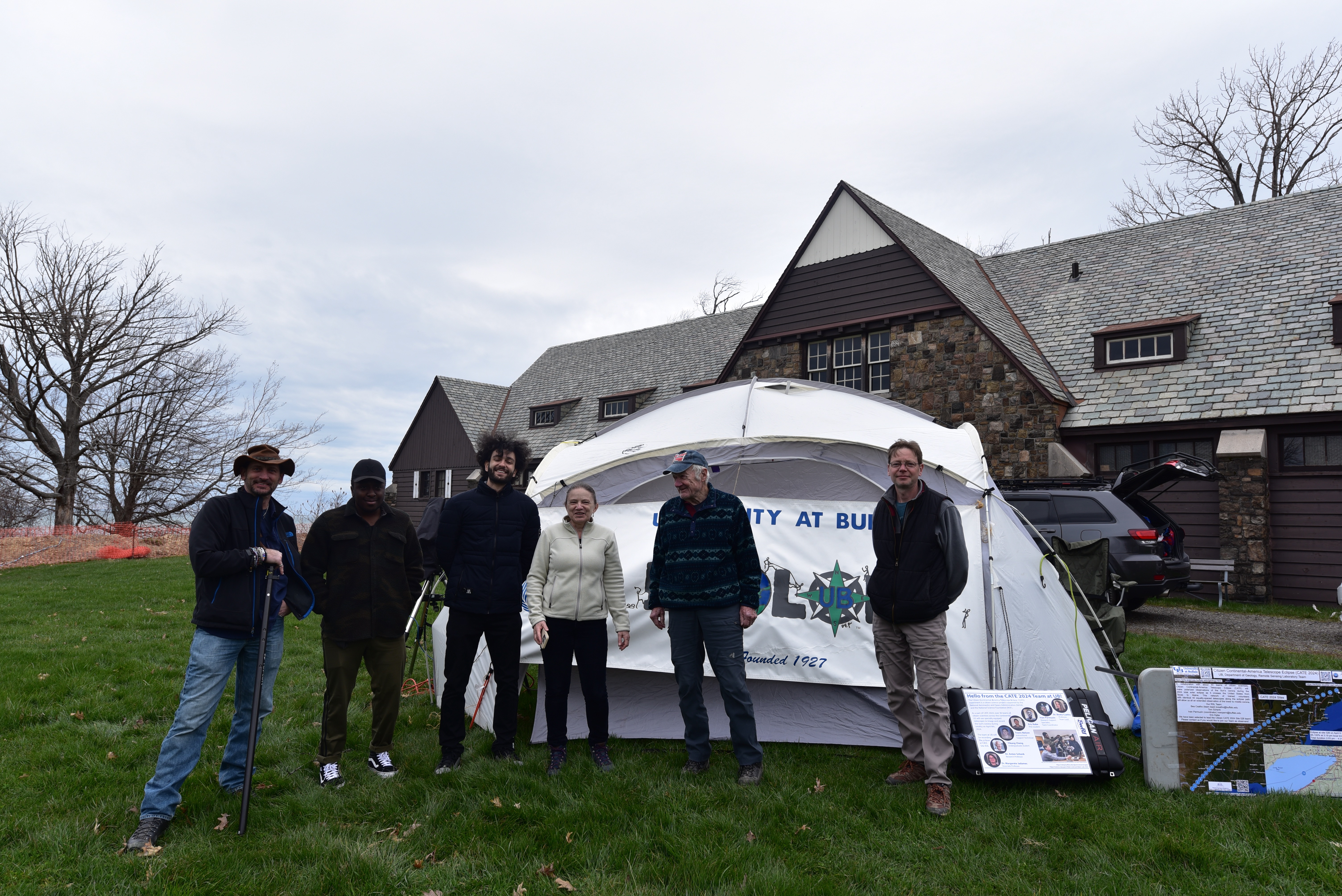
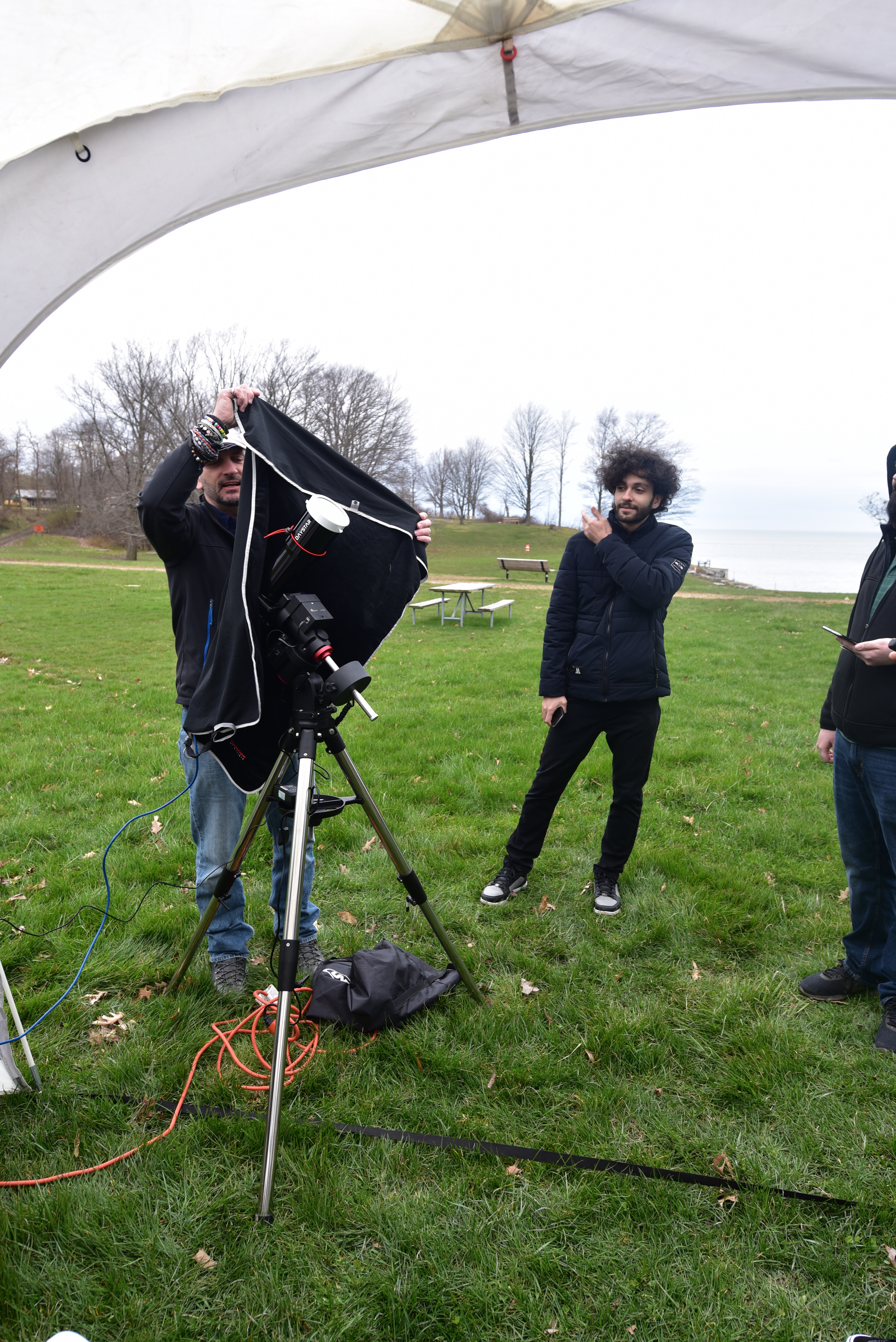
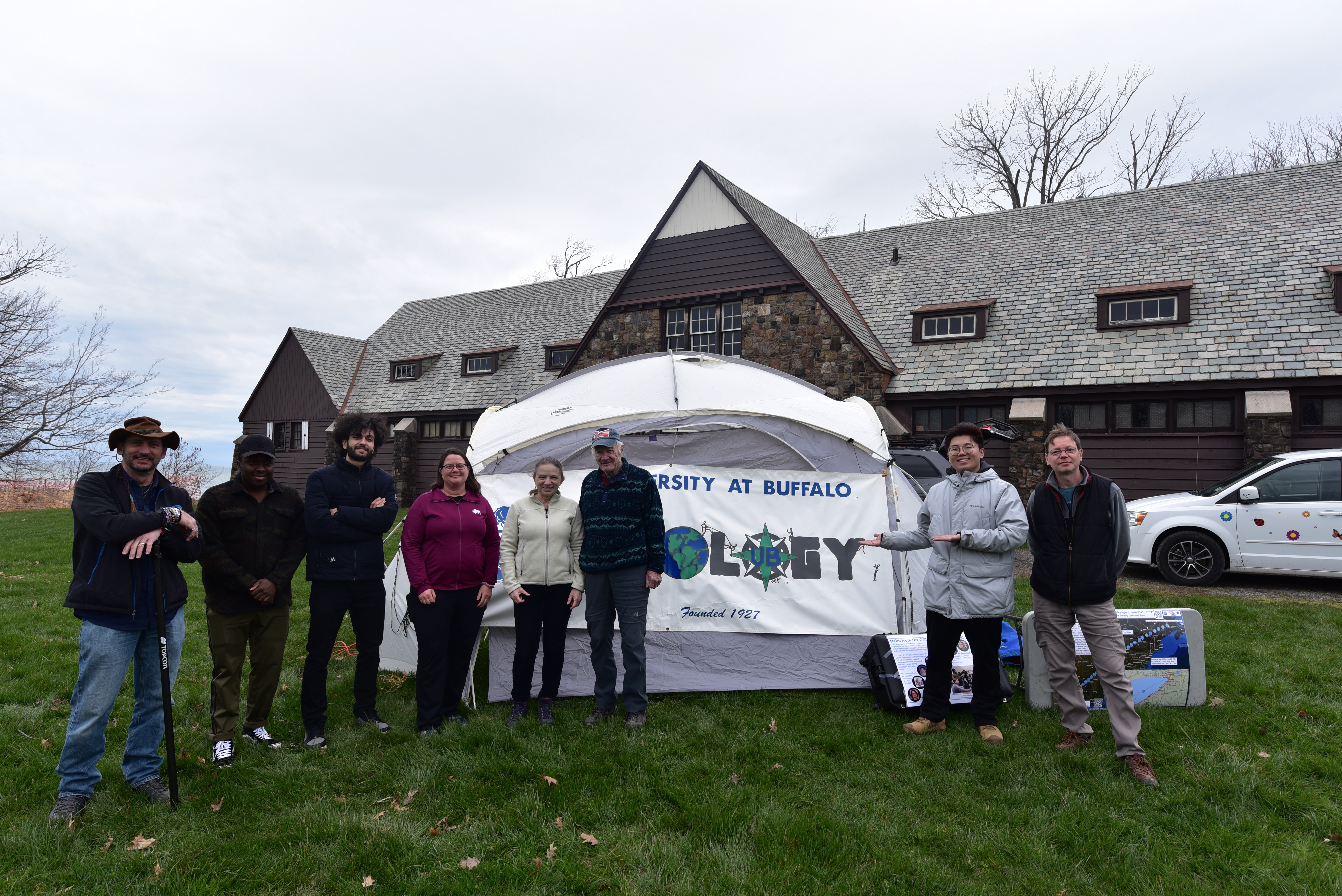
Participated as a team member in the Citizen Continental-America Telescope Eclipse (CATE 2024) project, a citizen science initiative that used a network of telescopes to observe the Sun's corona during the 2024 total solar eclipse as it crossed the United States from Texas to Maine.
The University at Buffalo's Remote Sensing Laboratory (RSL) team was selected to lead Site 026, located at Lake Erie State Park in New York. The project involved coordinating with approximately 40 teams of citizen scientists positioned at equally-spaced telescopes along the eclipse path, enabling extended observations of the lower to middle corona through polarized observations.
Eclipse Timeline at Site 026:
Partial Begins: 2:04 p.m. EDT
Totality Begins: 3:18 p.m. EDT
Maximum Totality: 3:20 p.m. EDT
Totality Ends: 3:22 p.m. EDT
Partial Ends: 4:32 p.m. EDT
As part of the RSL team, I contributed to the coordination and observation efforts at Site 026, working alongside core team members including Dr. Beata Csatho (team lead), Toni Schenk, Ivan Parmuzin (coordinator), Eric Kabe, and Travis Nelson, as well as other team members including Yikang Cheng and Dr. Margarete Jadamec.
The project provided valuable experience in citizen science coordination, astronomical observations, and collaborative research efforts, while contributing to our understanding of the Sun's corona during this rare total solar eclipse event.